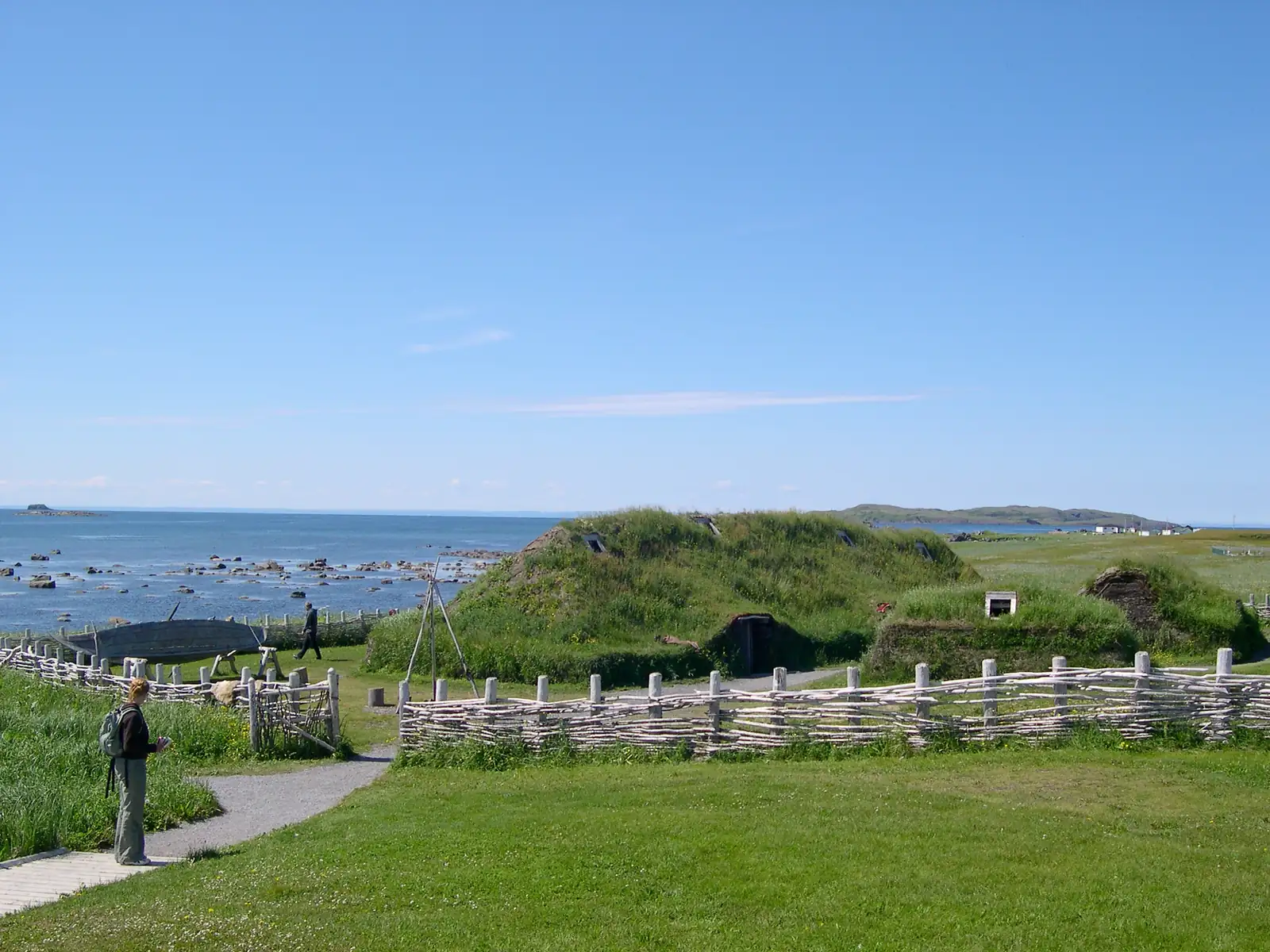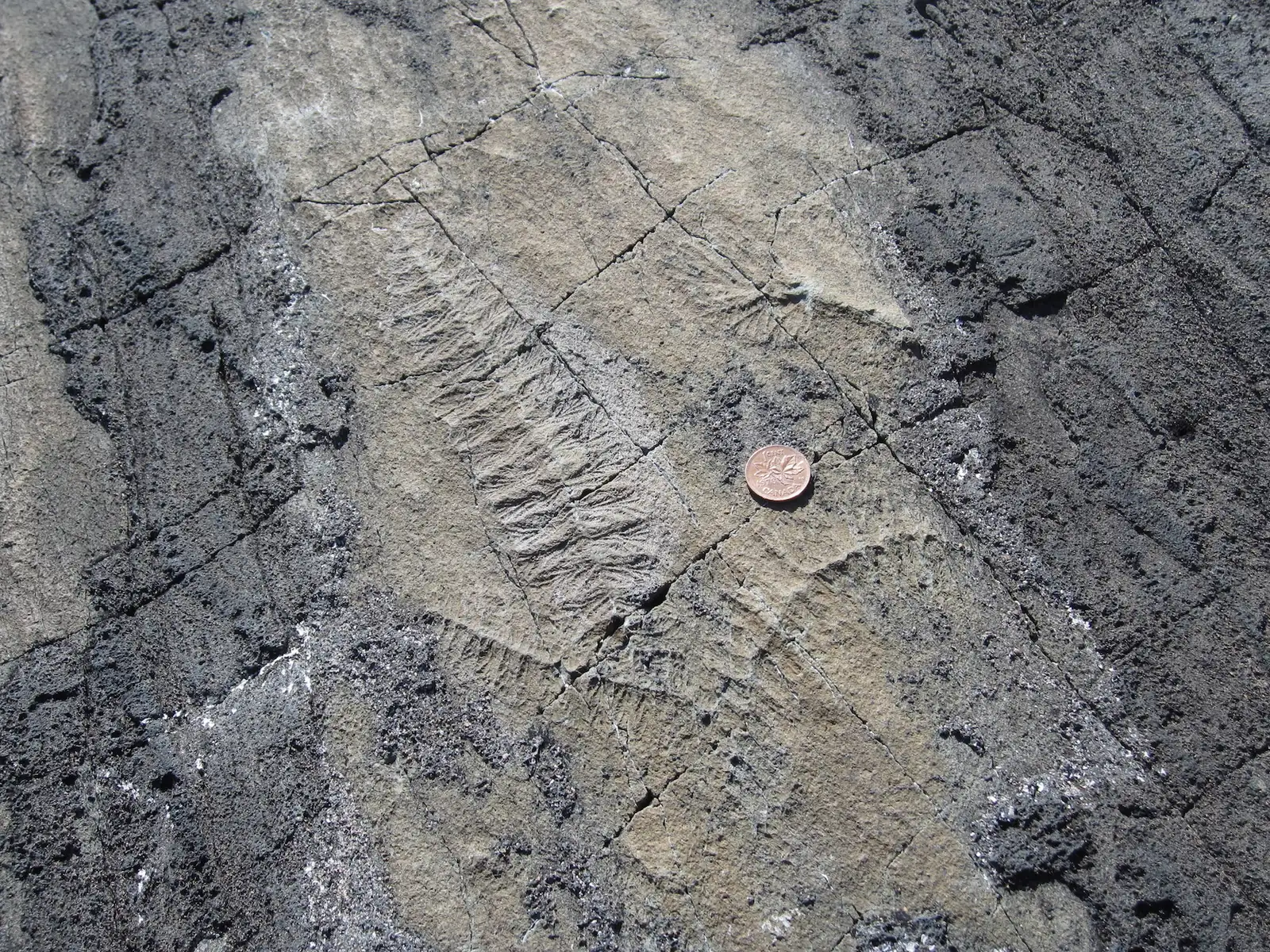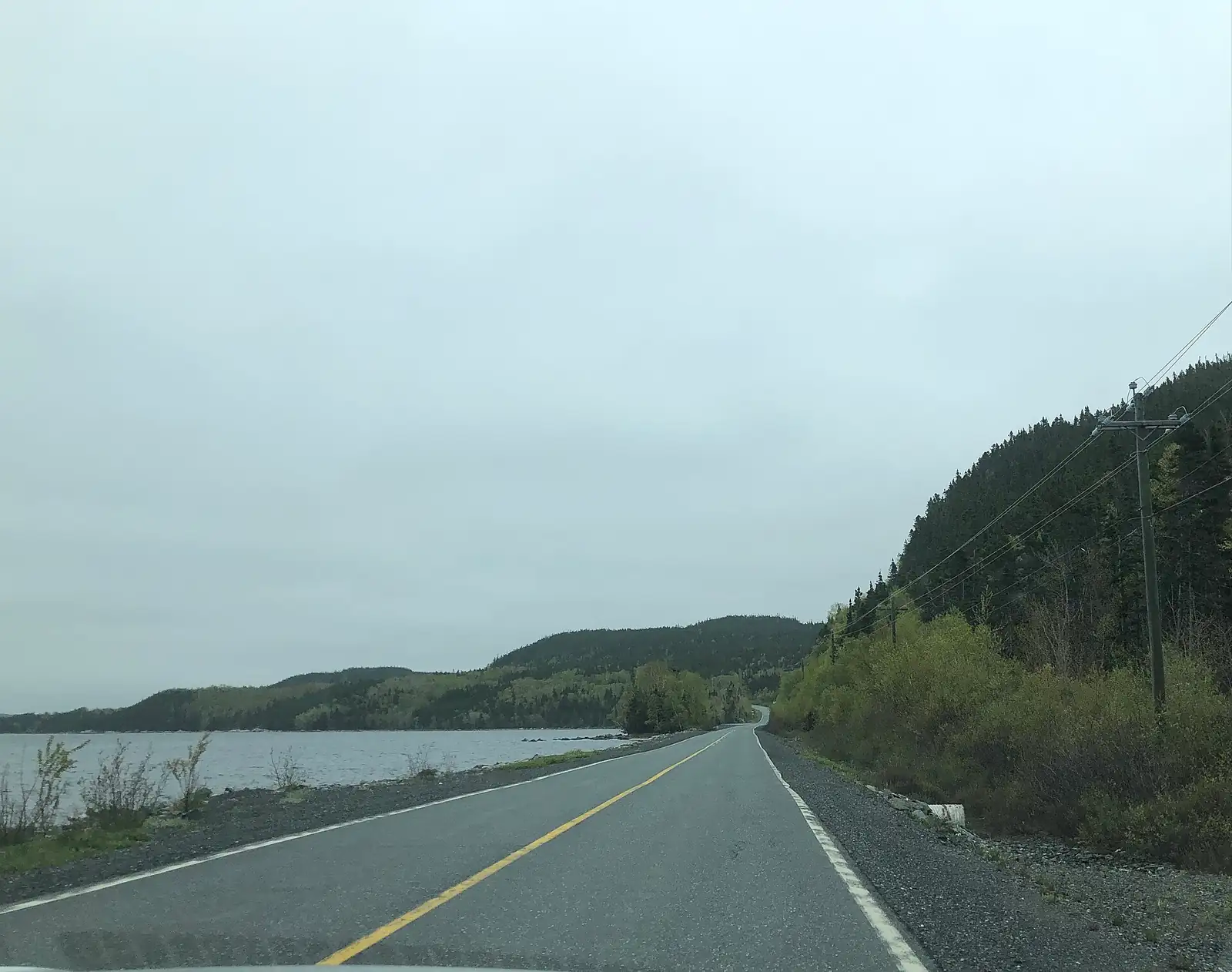

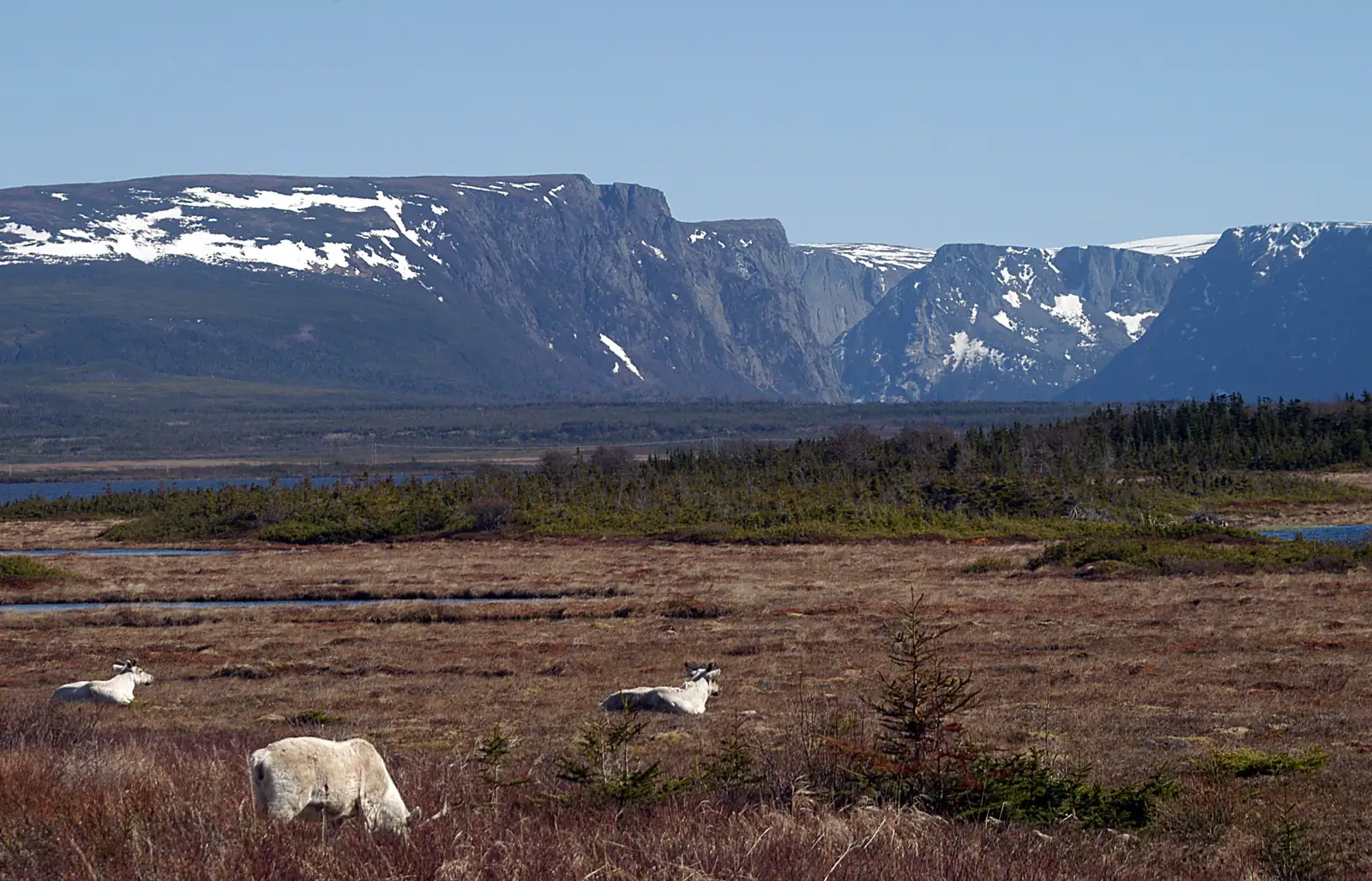
Gros Morne National ParkNational park · Rocky Harbour, NL260 kmUNESCO World HeritagePhoto: Joanna Poe from Munith, MI, USA · CC BY-SA 2.0
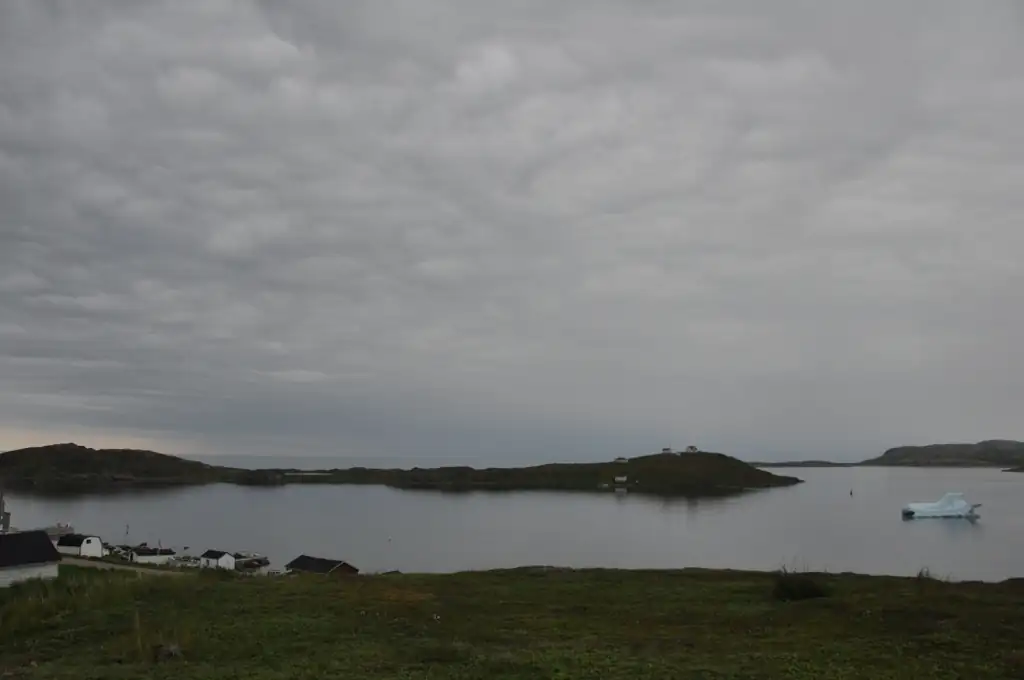
National historic site · Red Bay, NL
The fullest 16th-century Basque whaling station known, where whale oil was made for markets in Europe.
In the 16th century, Basque crews sailed to Red Bay, on the Labrador side of the Strait of Belle Isle, to hunt right and bowhead whales and render them into oil for buyers in Europe. Parks Canada calls it the largest known 16th-century Basque whaling station in North America: on land there are remains of more than a dozen shore stations, with rendering ovens, cooperages, dwellings, wharves, a cemetery and lookouts, and the harbour holds four whaling ships. UNESCO inscribed it on the World Heritage List in 2013.
In 2026 the site opened daily from June 1 to October 7, 9 am to 5 pm. Costumed interpreters, excavated artifacts, scale models and a 30-minute film tell the story, and a restored 16th-century chalupa, a whaling boat, is on display. A short boat ride takes guided groups to Saddle Island to see where oil was processed and where the workers lived about 400 years ago. Most visitors drive the Viking Trail to St. Barbe, Newfoundland, and cross on the Apollo ferry, which runs from May to early January; Blanc-Sablon, Quebec, has the nearest airport.
Red Bay National Historic Site, Red Bay, NL A0K 4K0