
Inscribed 1978Natural
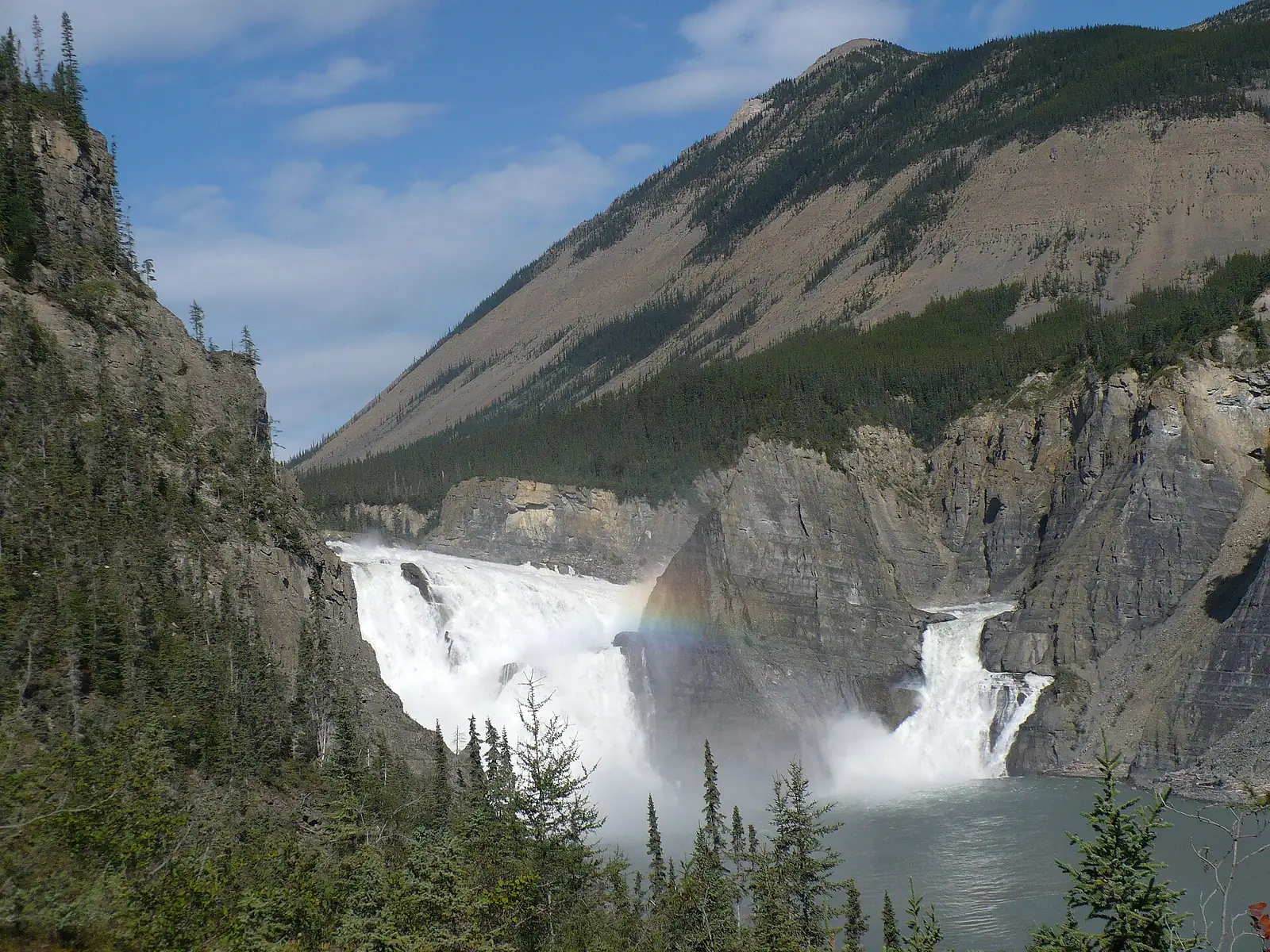
Nahanni National Park Reserve
Northwest Territories
A wild river of deep canyons, huge waterfalls, caves and hot springs, still being carved by erosion and uplift.
Photo: Paul Gierszewski (Gierszep) · Public domain PickEasy
22 sites
Canada has 22 places on UNESCO's World Heritage List, from a Norse settlement to dinosaur badlands. Every one is a pick.
Cultural sites are inscribed for what people made, natural sites for nature, mixed sites for both.
Northwest Territories
A wild river of deep canyons, huge waterfalls, caves and hot springs, still being carved by erosion and uplift.
Photo: Paul Gierszewski (Gierszep) · Public domain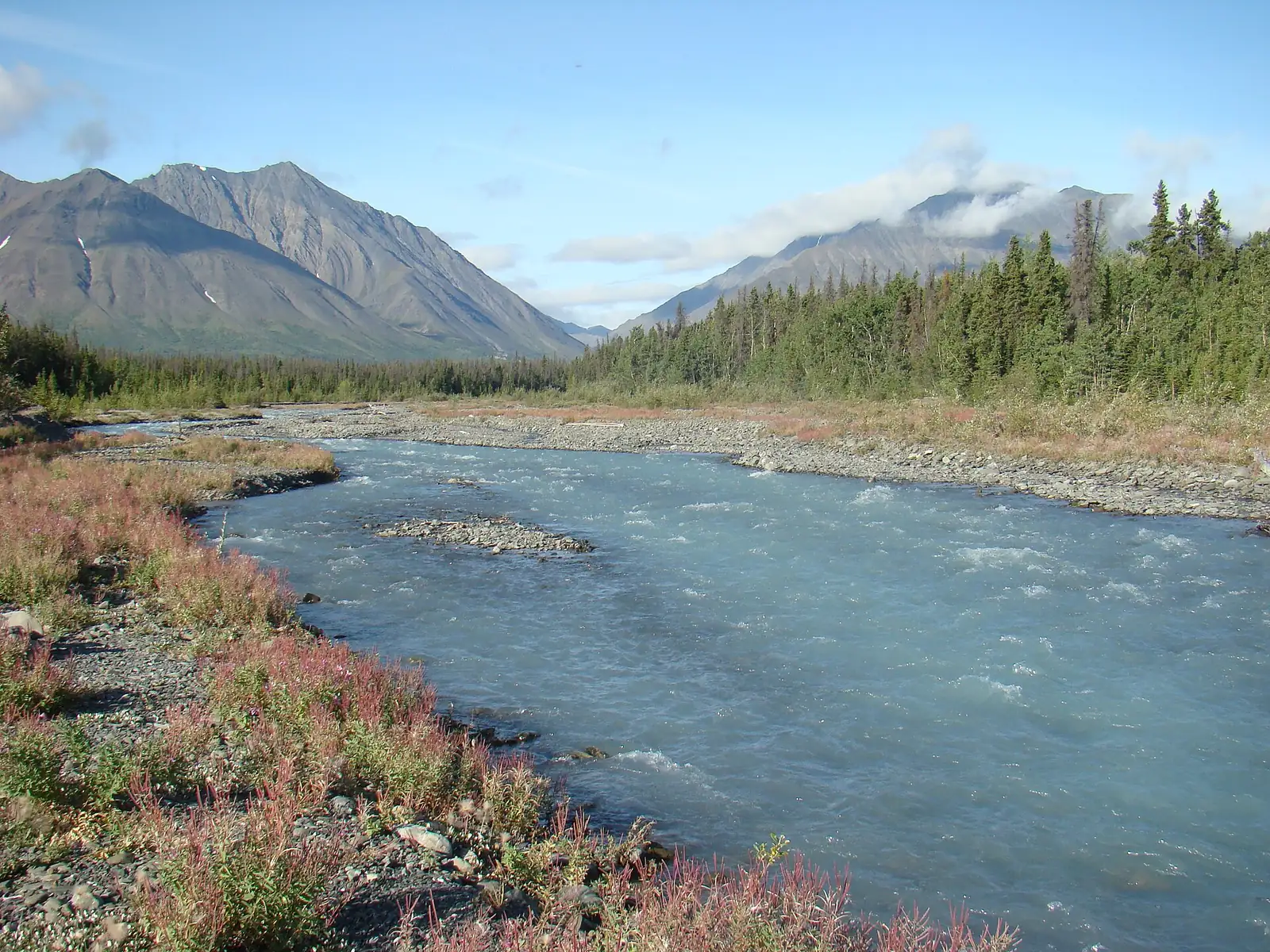
Yukon and British Columbia
Canada's side of a cross-border wilderness of North America's tallest peaks and the largest icefields outside the poles.
Photo: Wikibunt · CC BY-SA 3.0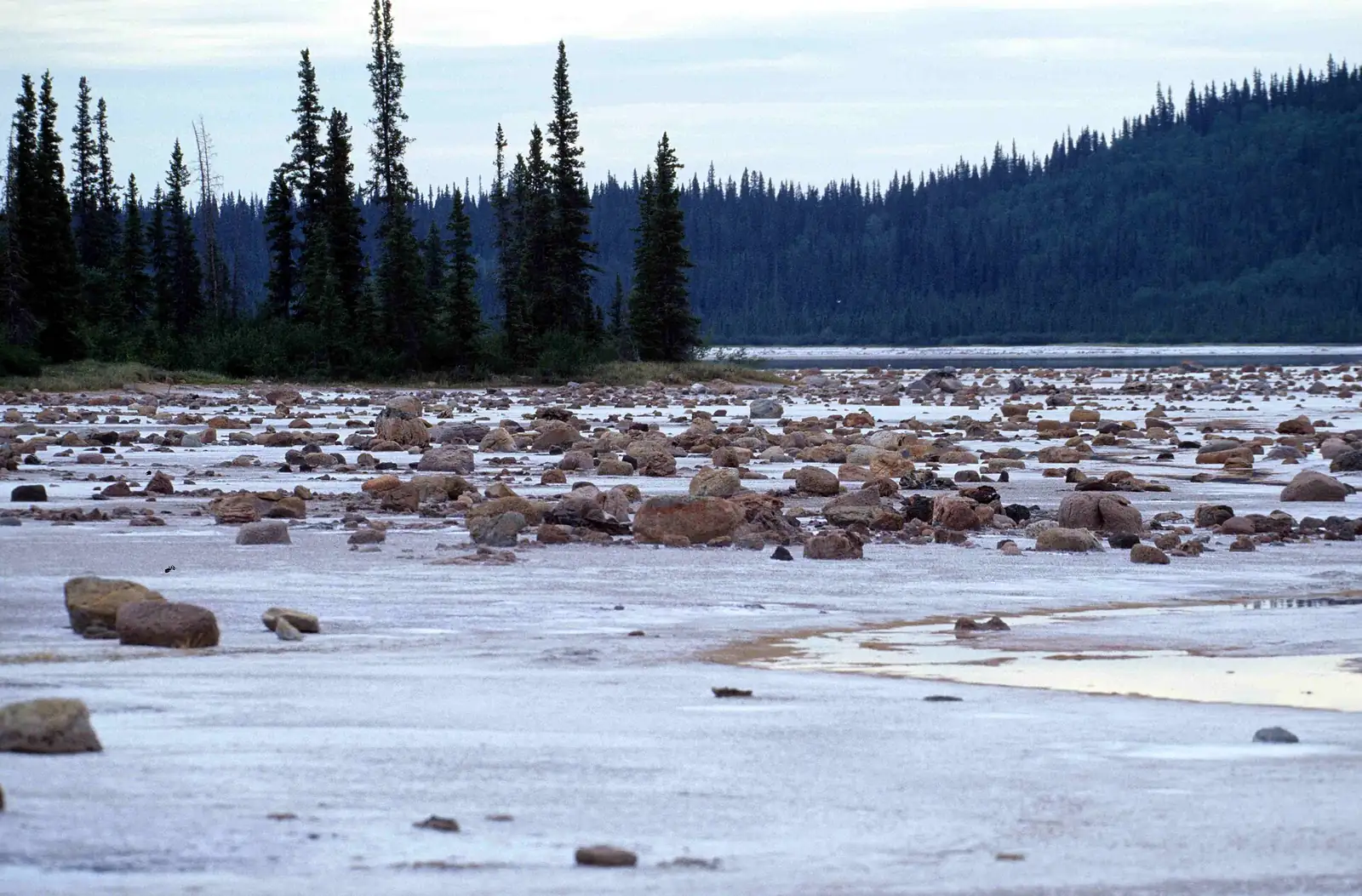
Northwest Territories and Alberta
Canada's largest national park, with free-roaming wood bison and the only nesting grounds of the whooping crane.
Photo: Ansgar Walk · CC BY-SA 2.5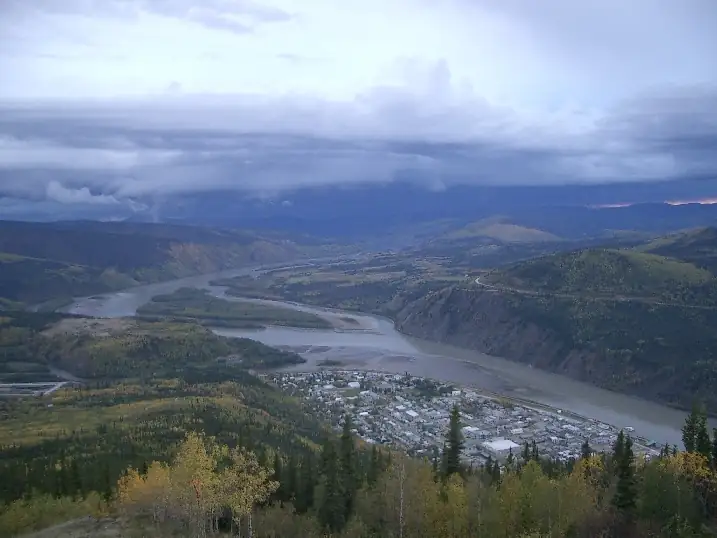
Yukon
Sites along the Yukon River and in Dawson City that show how the Tr’ondëk Hwëch’in lived through the gold rush.
Photo: Kiko2000 at German Wikipedia · CC BY-SA 3.0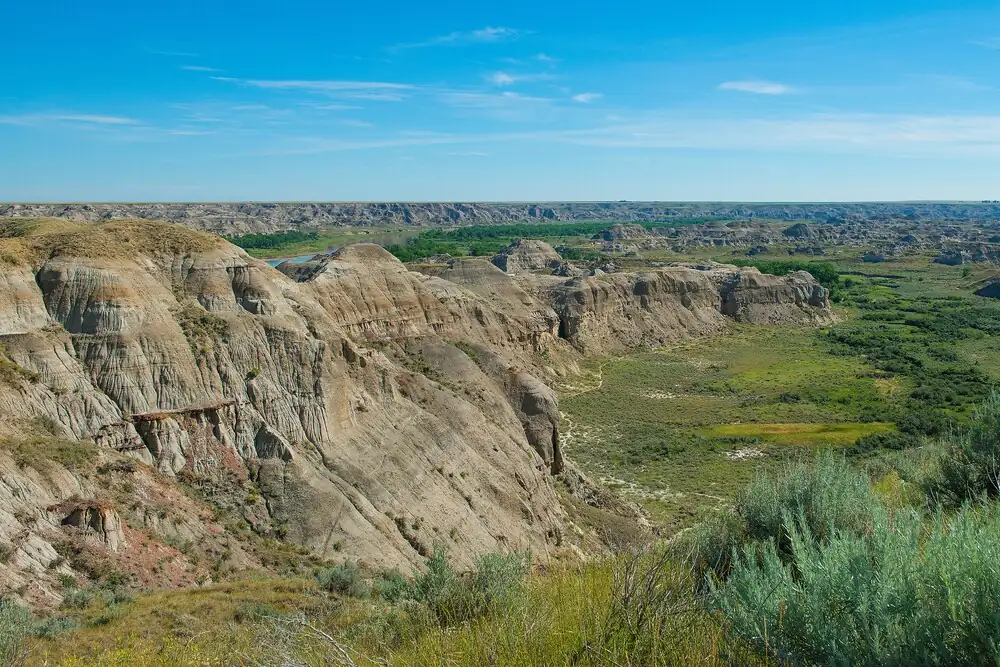
Alberta
Badlands that keep one of the richest finds of dinosaur fossils anywhere, from about 75 million years ago.
Photo: Aacounthingy · CC BY-SA 4.0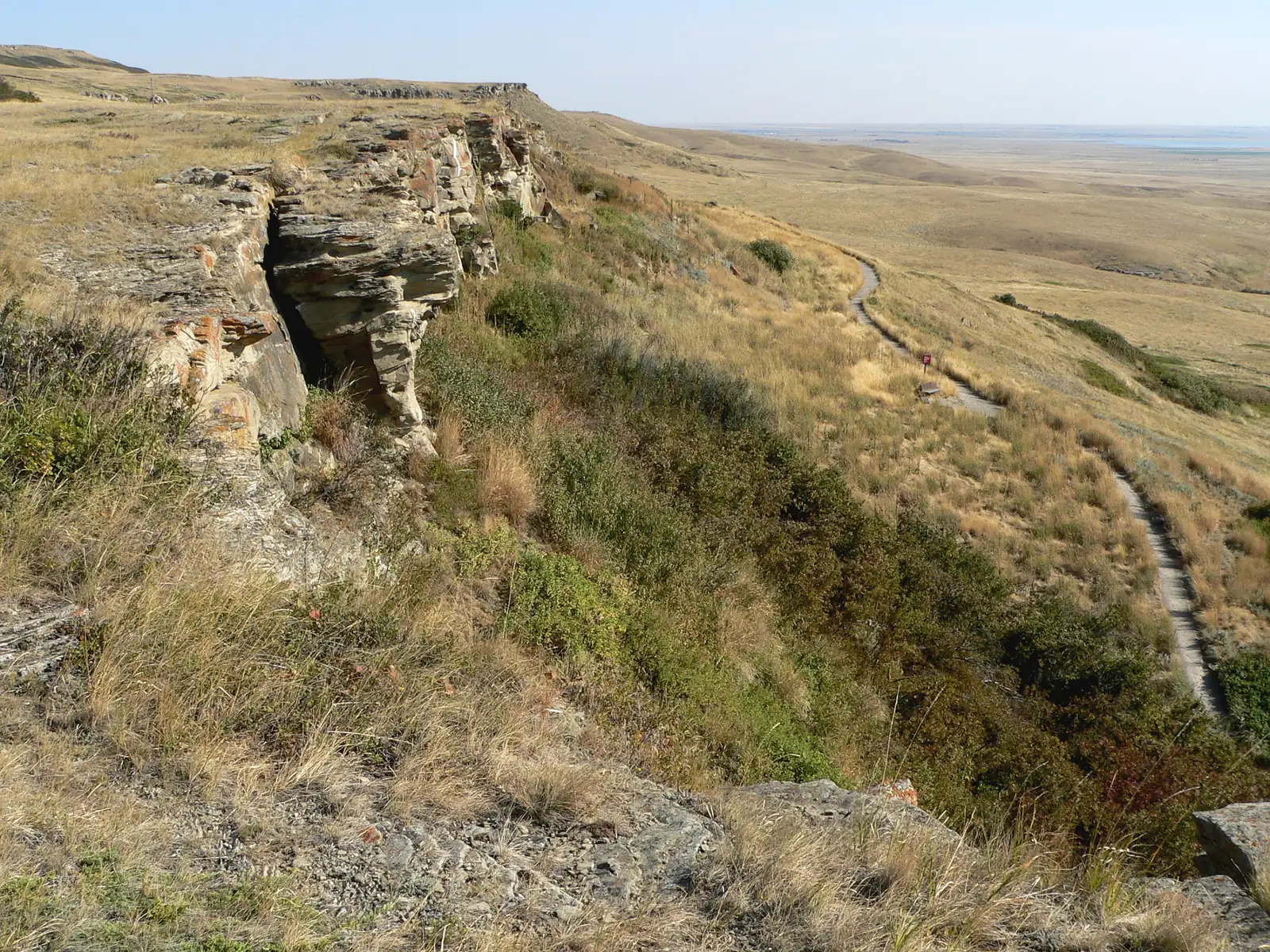
Alberta
One of the oldest and best-kept bison jumps, where Plains peoples drove herds over a cliff for more than 5,000 years.
Photo: Ken Thomas · Public domain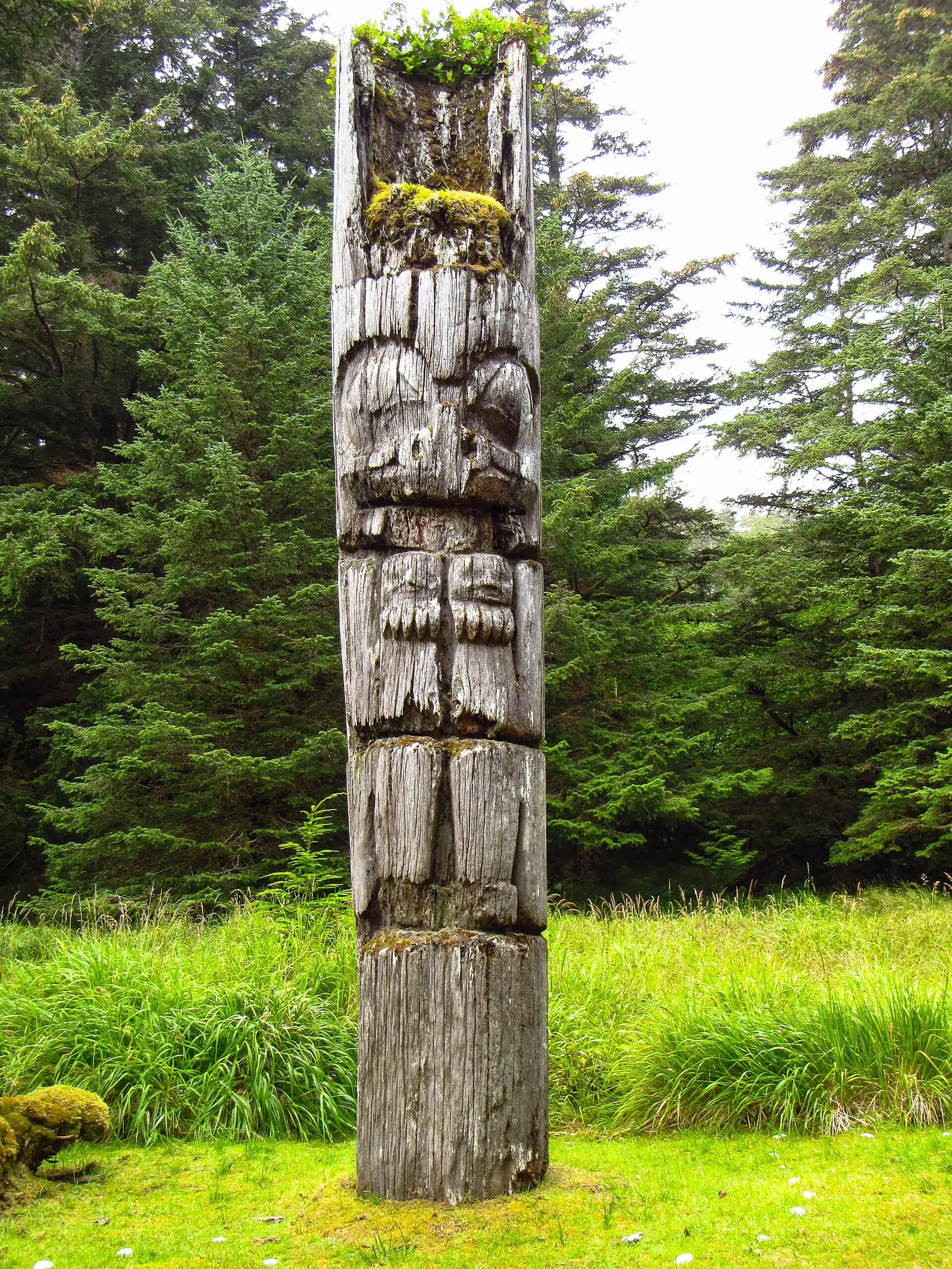
British Columbia
Nan Sdins, a 19th-century Haida village whose memorial and mortuary poles are among the finest of their kind.
Photo: Yvrsigmatech · Public domain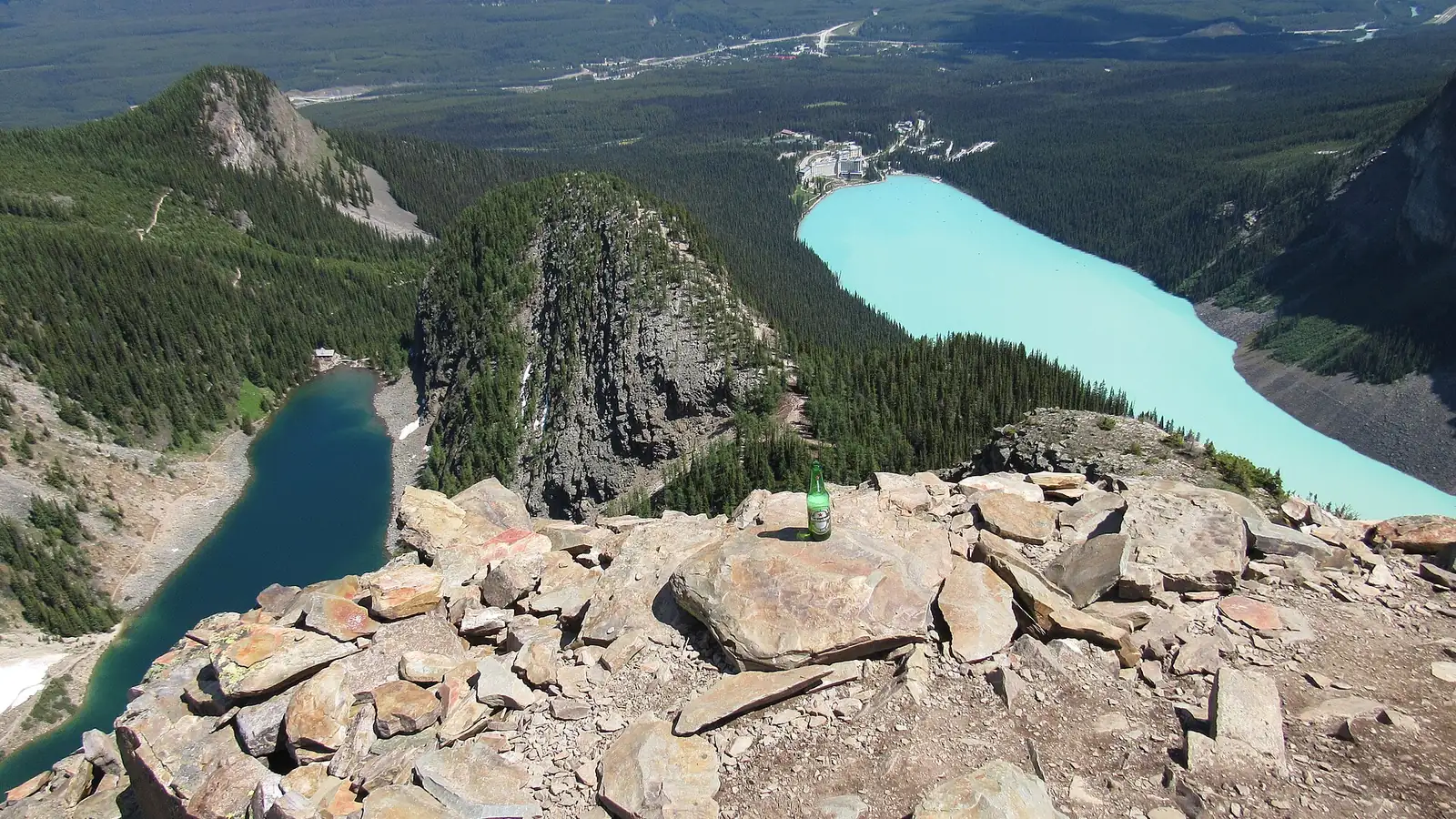
Alberta and British Columbia
Canada's first national park, established in 1885.
Also in this site: Jasper National Park, Yoho National Park, Kootenay National Park
Photo: Khoshhat · CC BY-SA 4.0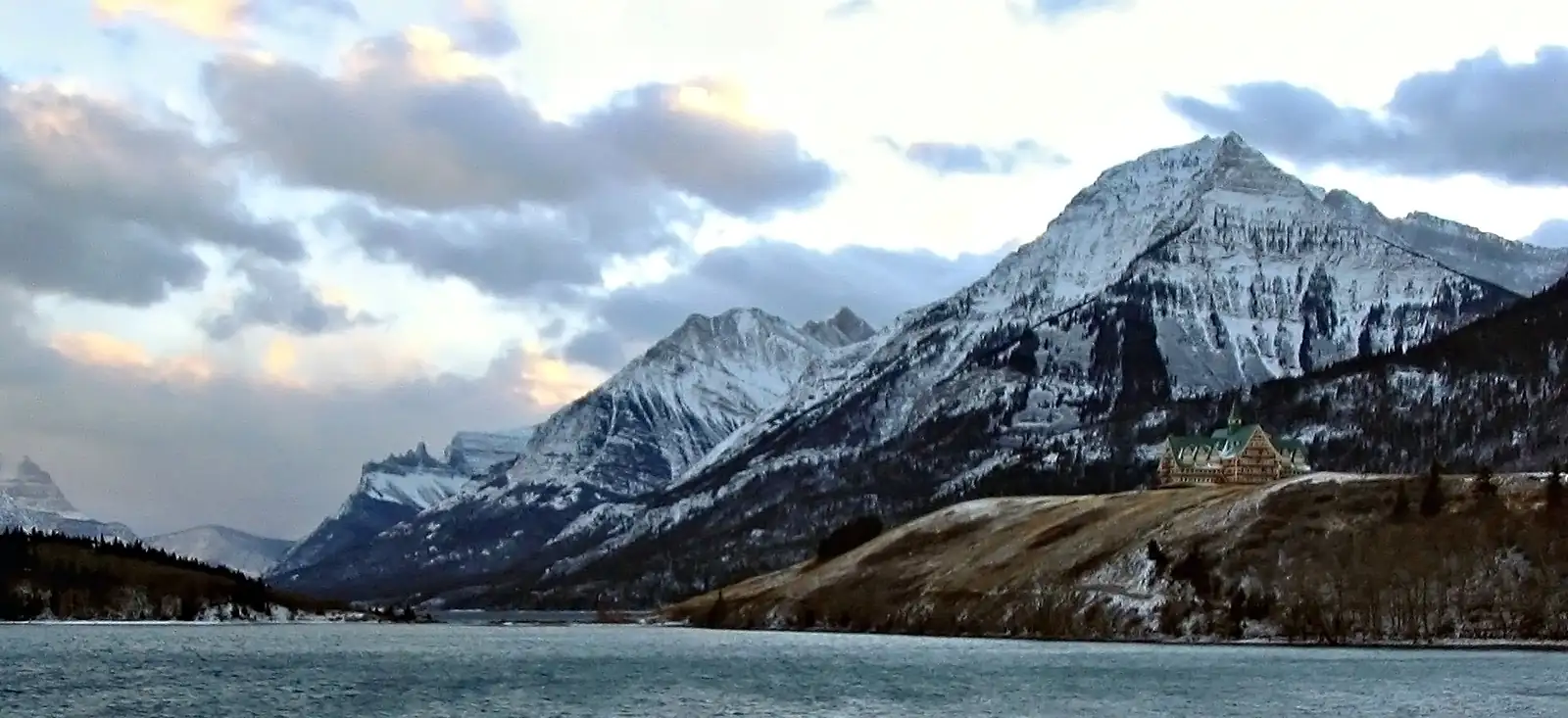
Alberta
Canada's half of the world's first international peace park, where prairie meets the mountains with no foothills between.
Photo: Gorgo · Public domain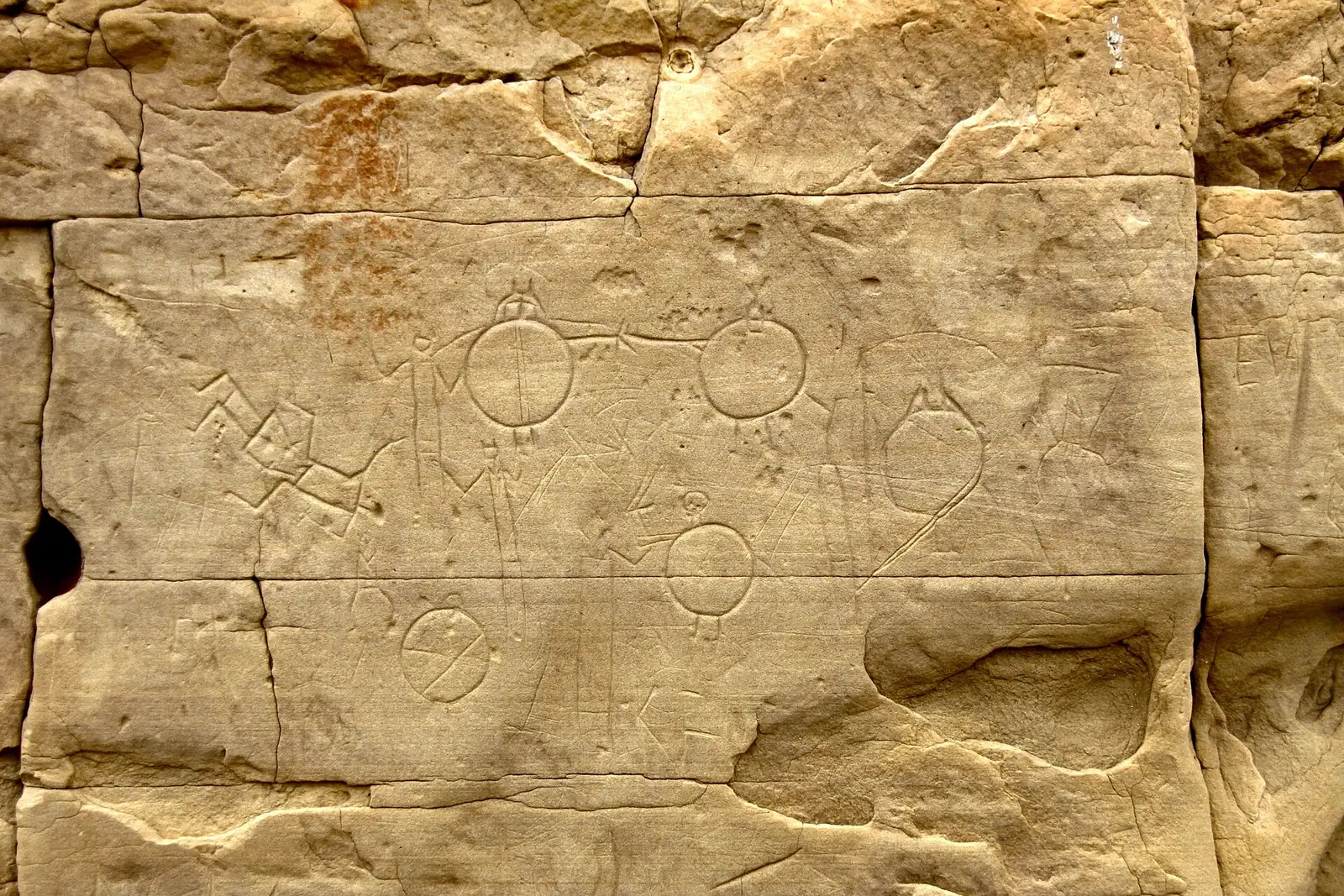
Alberta
A sacred Blackfoot valley of hoodoos whose sandstone walls carry engraved and painted rock art.
Photo: Matthias Süßen · CC BY-SA 3.0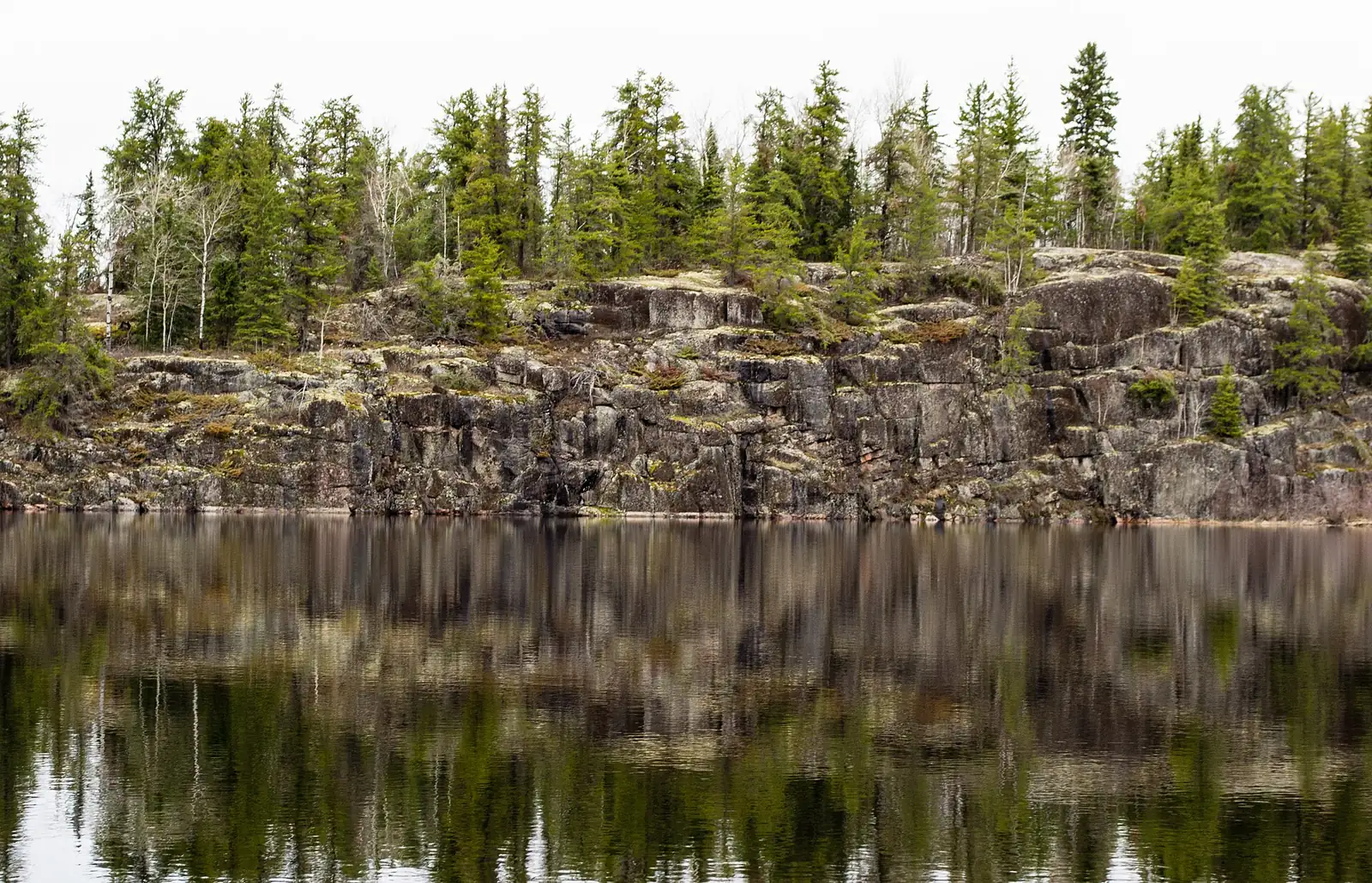
Manitoba and Ontario
Canada's first mixed World Heritage site: Anishinaabe homelands across a vast boreal forest in their care.
Photo: Kate Ming-Sun · CC BY 2.0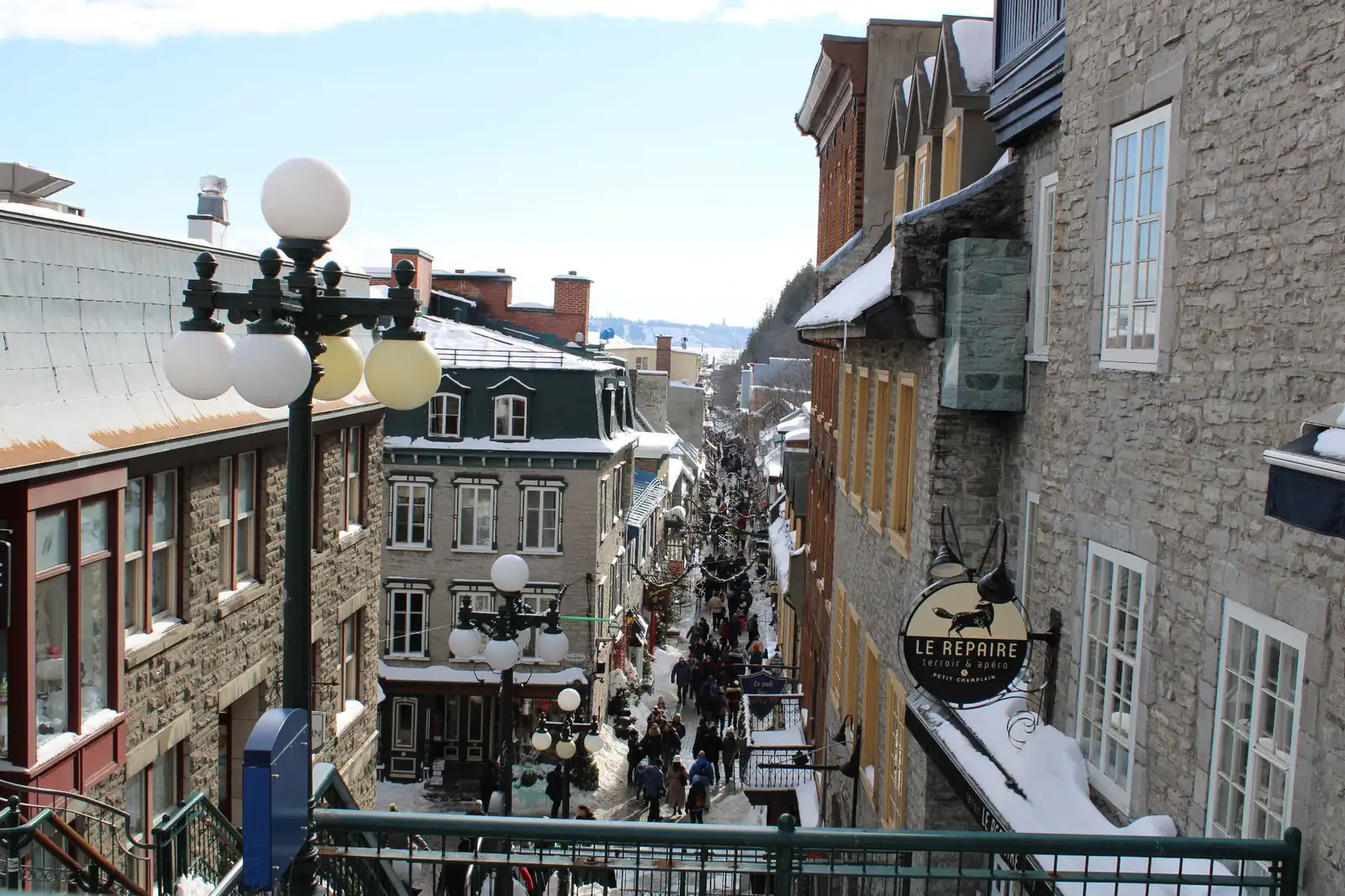
Quebec
The walled heart of New France's old capital, the most complete fortified colonial town north of Mexico.
Photo: Xavier Fournier-Blais · CC BY-SA 4.0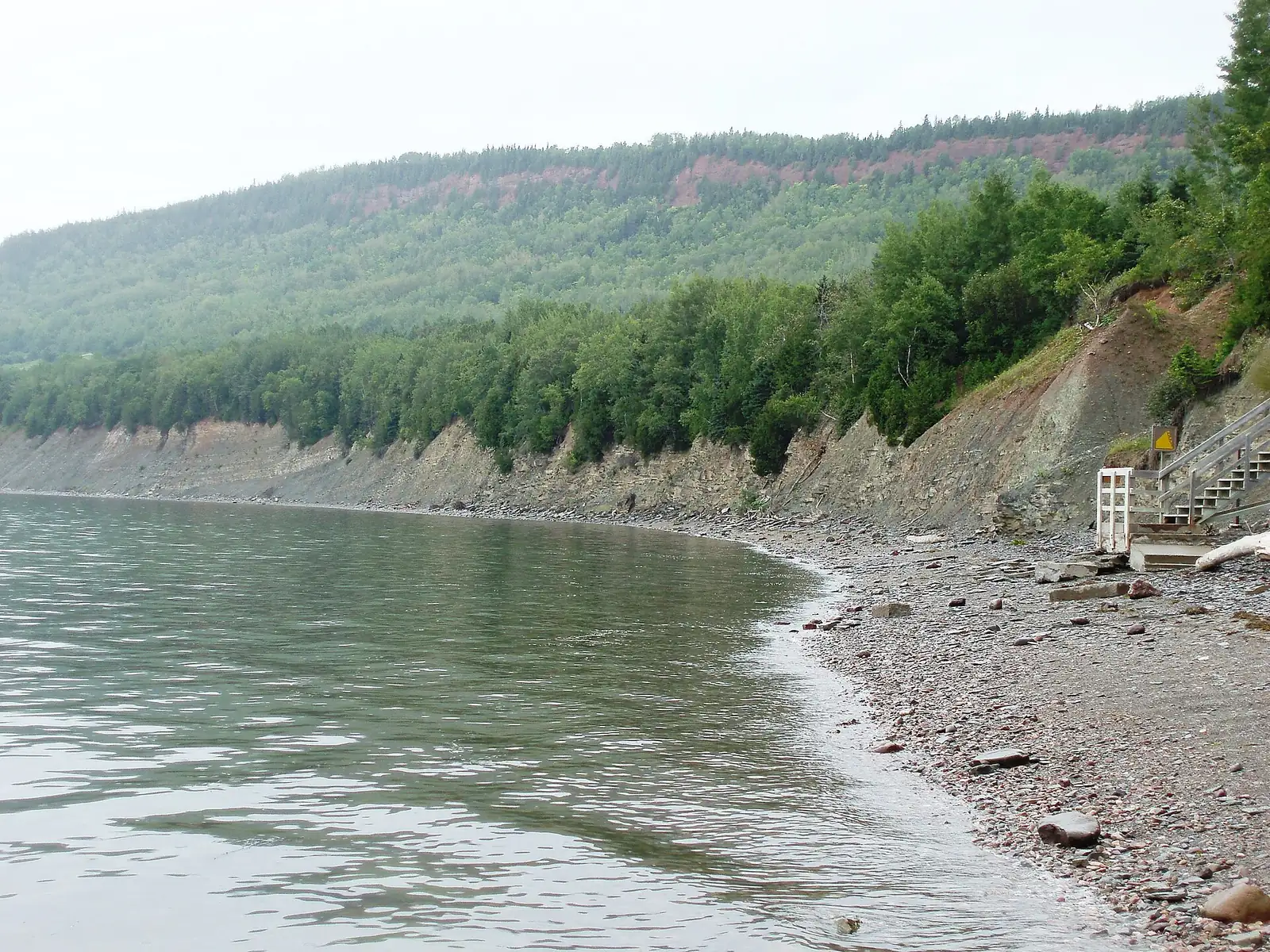
Quebec
Fossil cliffs from the Age of Fishes, with the best record of the lobe-finned fish that led to four-legged animals.
Photo: Neumeier · CC BY-SA 3.0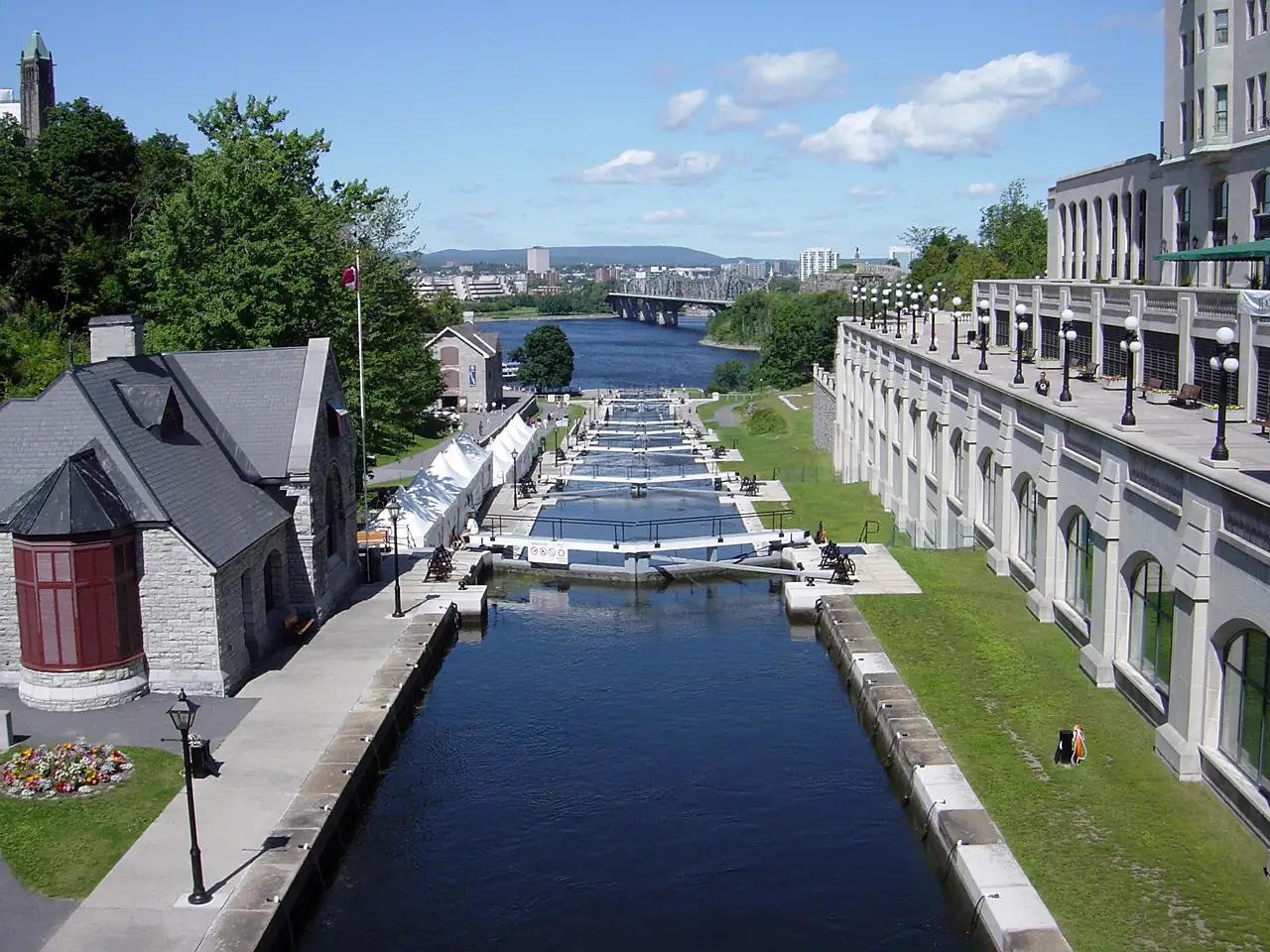
Ontario
North America's best-kept slackwater canal, built after the War of 1812 and still working along its original line.
Photo: Bobak Ha'Eri · CC BY-SA 2.5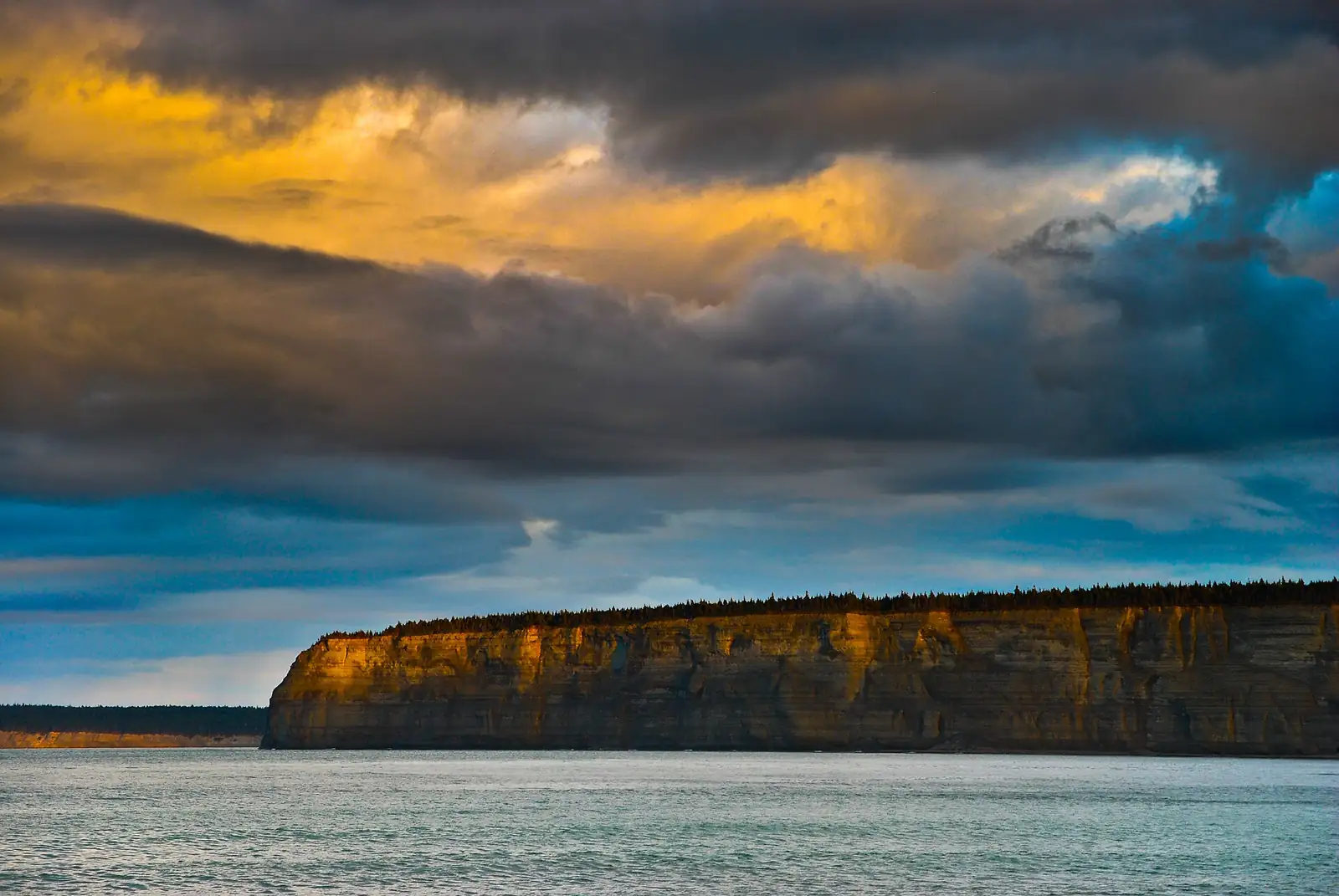
Quebec
An island holding the fullest fossil record of the first mass extinction of animal life, 447 to 437 million years ago.
Photo: Thosetimes · CC BY-SA 4.0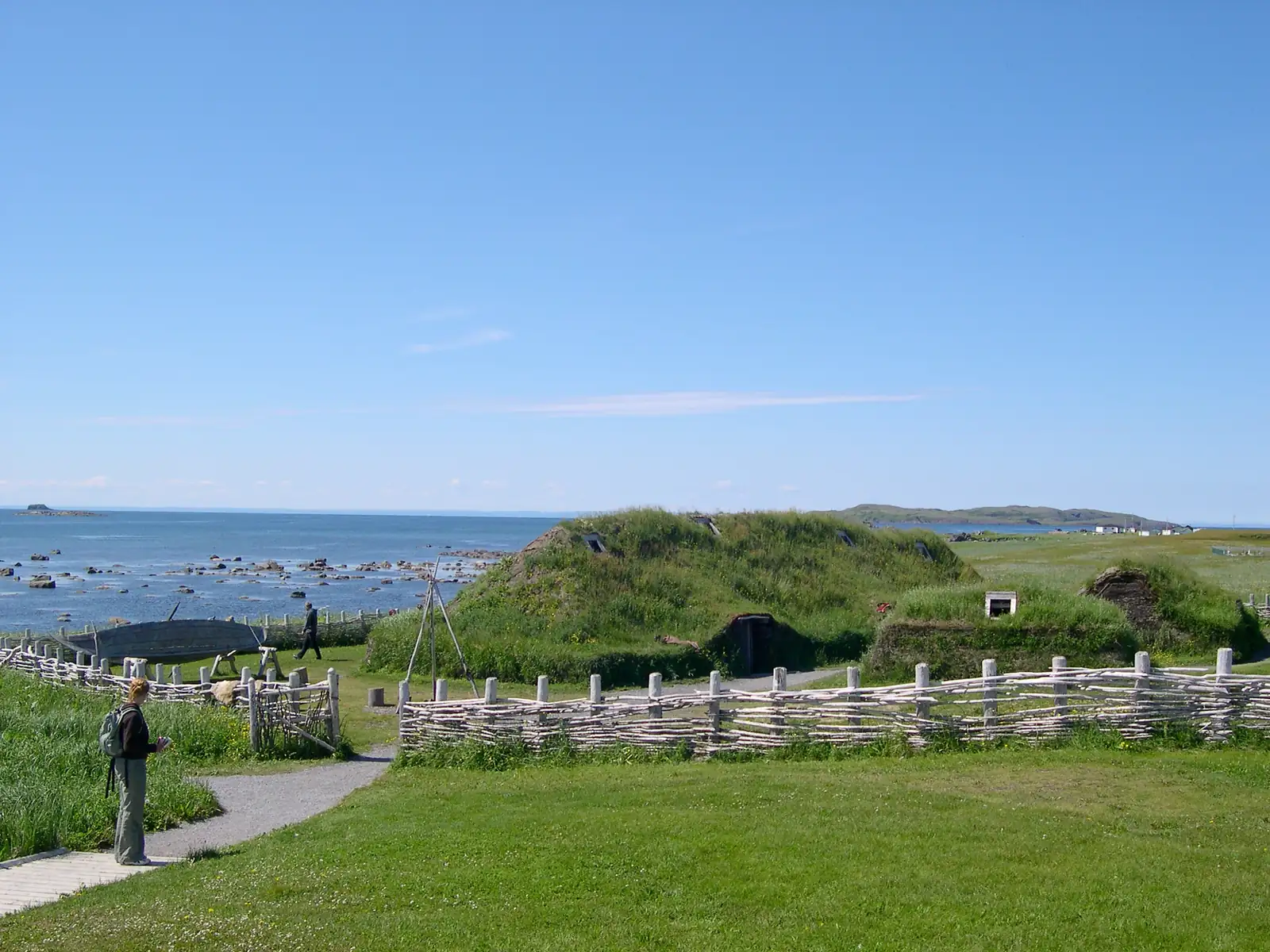
Newfoundland and Labrador
Remains of a Norse settlement from about 1,000 years ago, the earliest known European foothold in the Americas.
Photo: Dylan Kereluk from White Rock, Canada · CC BY 2.0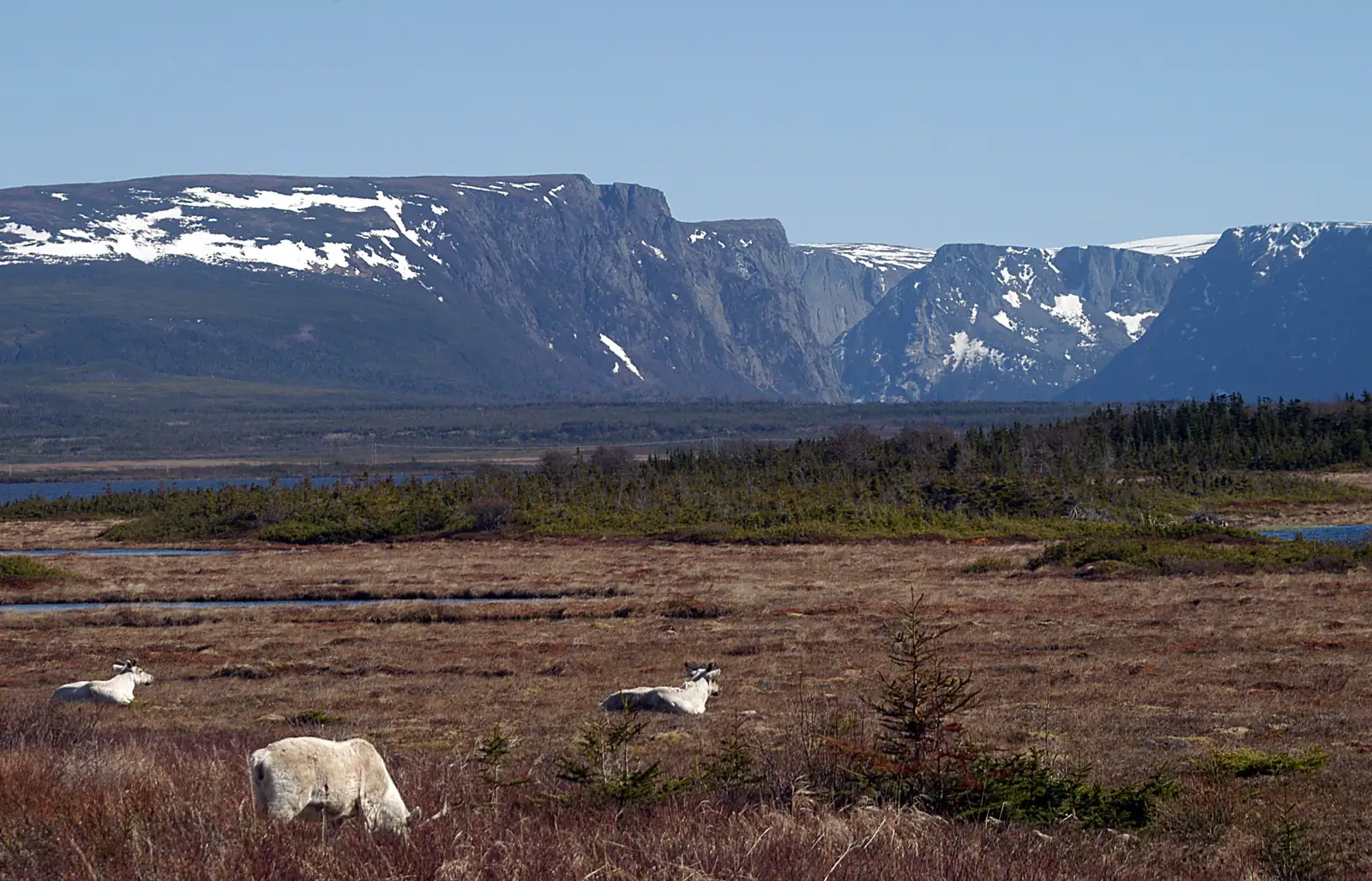
Newfoundland and Labrador
Newfoundland park where a boat trip crosses Western Brook Pond.
Photo: Joanna Poe from Munith, MI, USA · CC BY-SA 2.0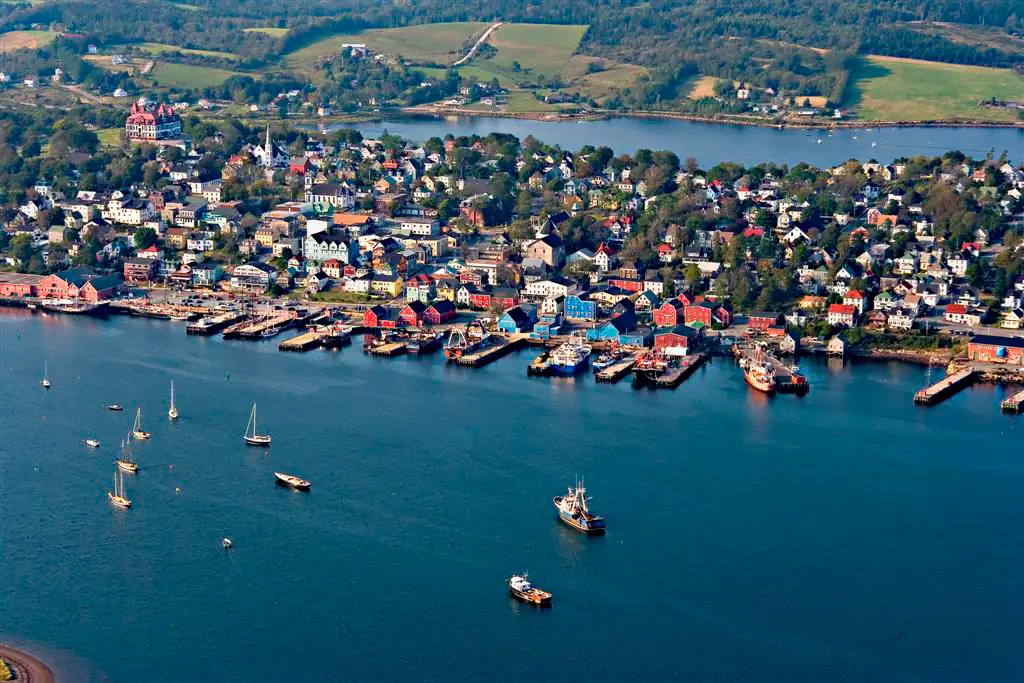
Nova Scotia
The best-kept British colonial model town in North America, laid out in 1753 and built around the Atlantic fishery.
Photo: Jvienneau · CC BY-SA 3.0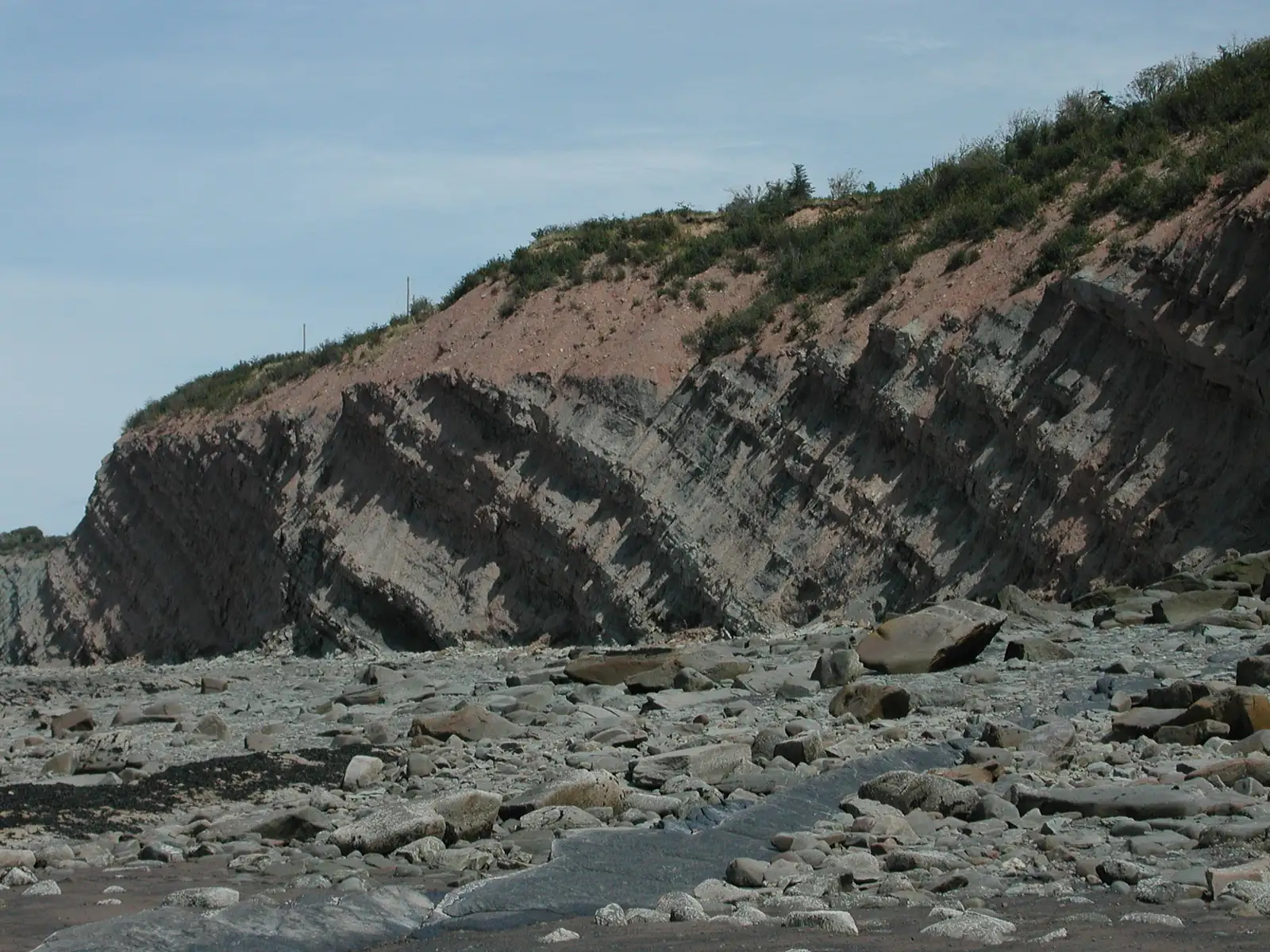
Nova Scotia
Sea cliffs with the fullest fossil record of life on land in the Coal Age, including the earliest known reptiles.
Photo: Cornellier · CC BY-SA 4.0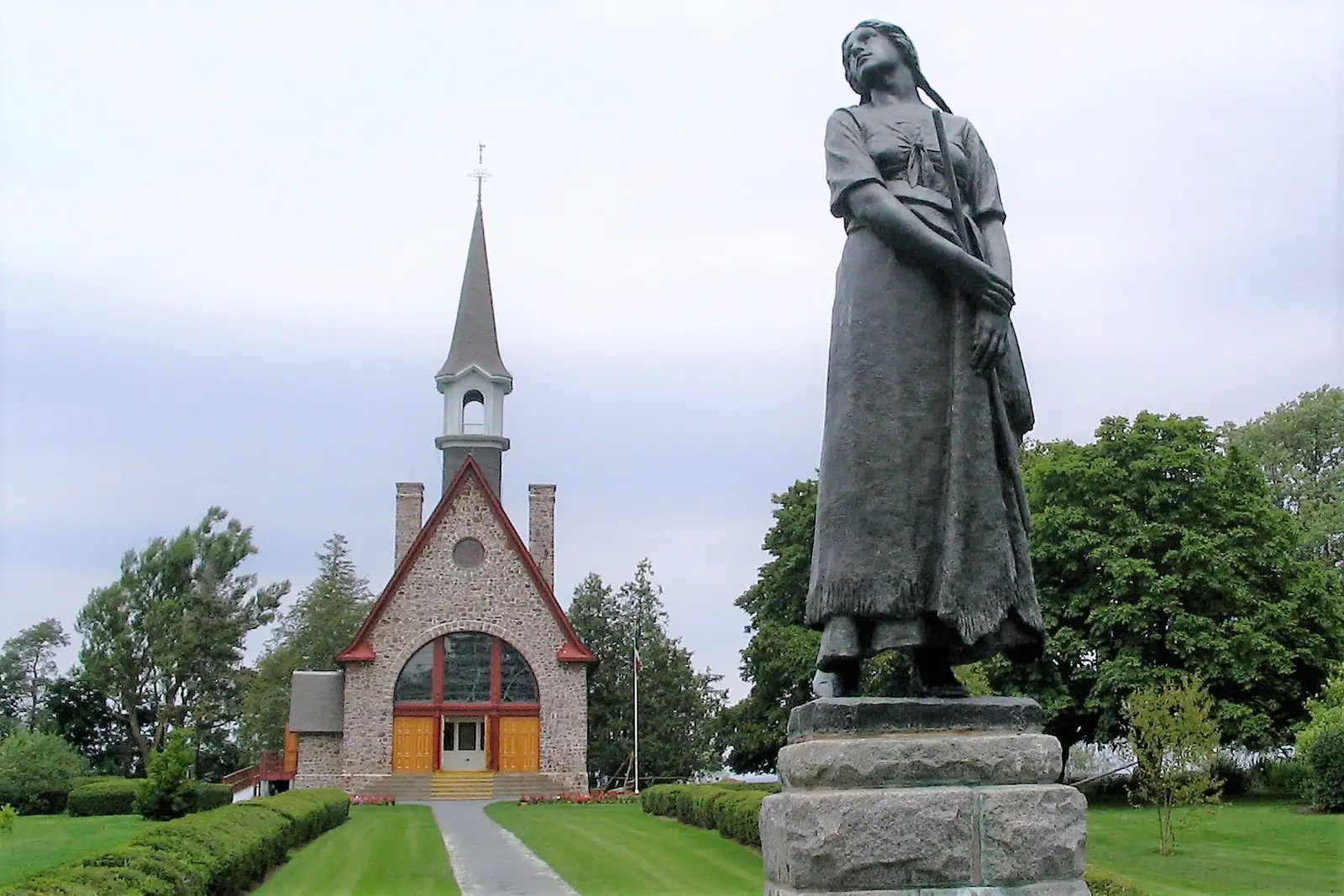
Nova Scotia
Acadian farmland won from the sea with dykes in the 1600s, and the place that remembers the Acadian deportation.
Photo: Dr Wilson, modified by Semhur · CC BY 2.5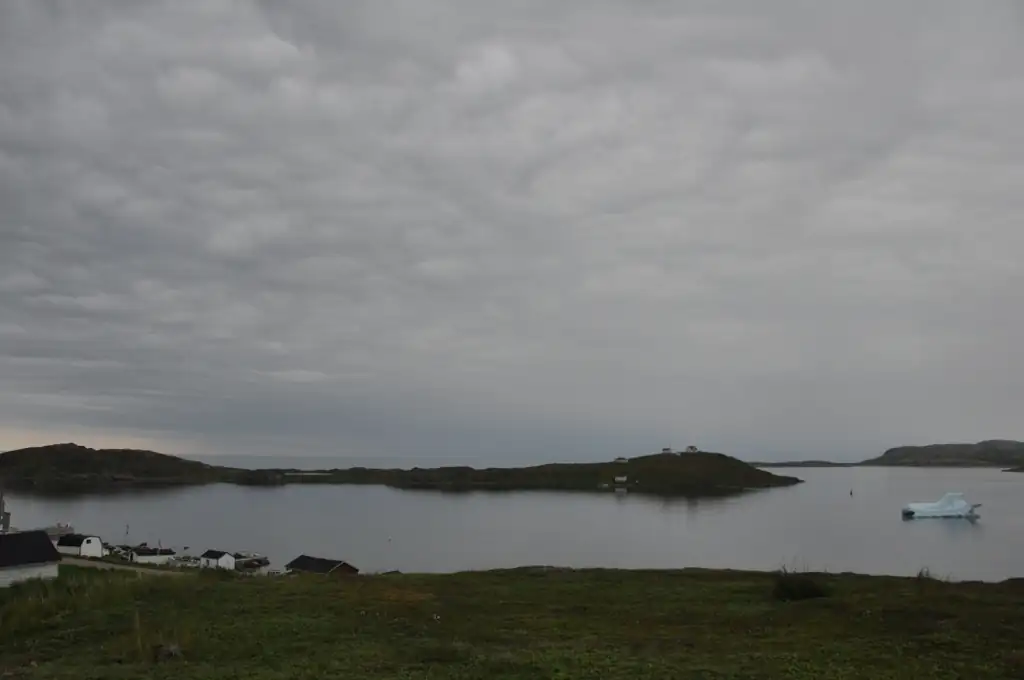
Newfoundland and Labrador
The fullest 16th-century Basque whaling station known, where whale oil was made for markets in Europe.
Photo: Magicpiano · CC BY-SA 3.0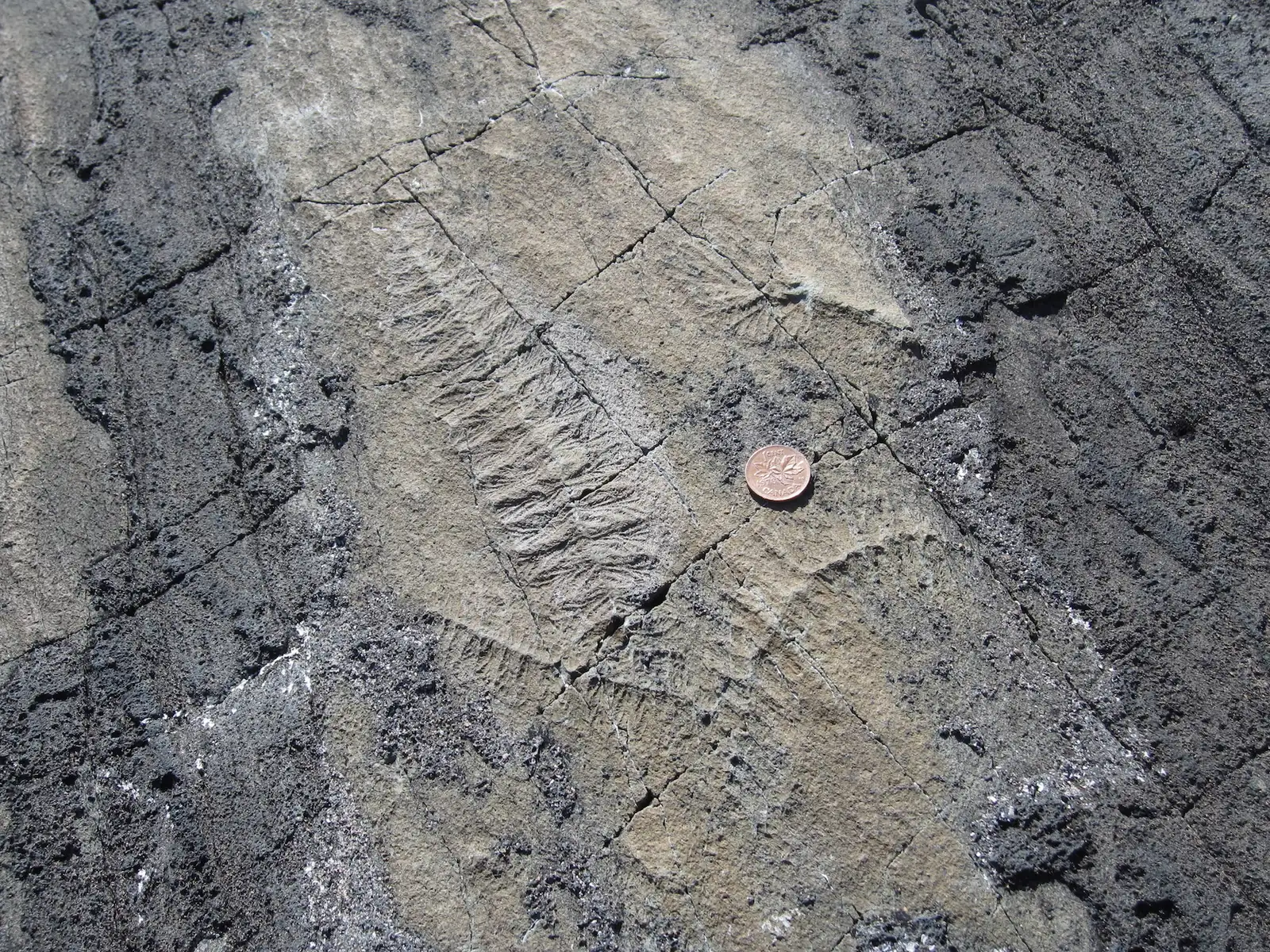
Newfoundland and Labrador
Coastal rock with fossils 580 to 560 million years old that record when life on Earth first got big.
Photo: Alicejmichel · CC BY-SA 4.0Sites, years and provinces as Parks Canada lists them. Each site links to its UNESCO page. Parks Canada ↗